The Last DSLR Maker Just Discontinued Its Whole Lineup
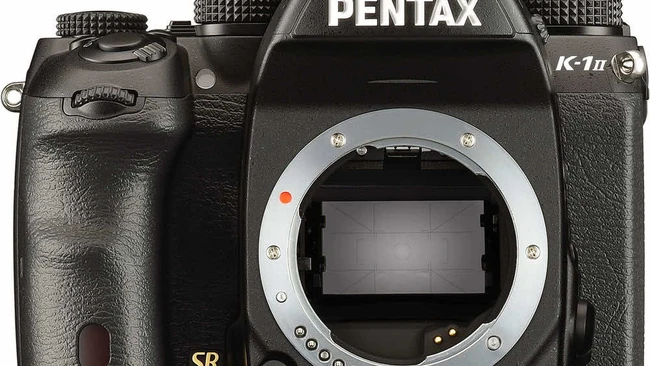
In an industry often defined by rapid obsolescence and aggressive consolidation, there is a profound sense of melancholy in the final shutdown of the Pentax K-series digital SLRs. For decades, Ricoh has stood as the last bastion of the traditional DSLR format, a stubborn holdout against the relentless tide of mirrorless technology. Today, the decision to discontinue the entire lineup is not merely a product refresh; it is a definitive period at the end of a long sentence, marking the complete transition of one of photography's most distinct eras into history.
The story of Pentax is one of deliberate isolation. While competitors rushed to adopt global shutter technologies and massive sensor arrays, Ricoh chose a different path, prioritizing build quality, optical excellence, and a unique autofocus system over raw specification sheet metrics. The K-series became synonymous with durability, weather sealing, and the distinctive "Pentax" green and silver aesthetic that photographers around the world recognized instantly. These cameras were not built to chase trends but to endure in the harshest environments, earning a legendary reputation among landscape and outdoor enthusiasts who valued reliability above all else.
What makes this discontinuation particularly poignant is the context of the broader market. Most major manufacturers have long since abandoned the DSLR format, folding their lines into mirrorless divisions. Pentax, however, managed to keep the mechanical reflex viewfinder alive while others moved entirely to electronic screens. This persistence allowed the brand to maintain a unique identity, offering a tactile shooting experience that many purists argue is superior to its successors. The new line Ricoh is about to unveil will likely share a name, but the engineering philosophy and physical form factor that defined the K-series for over two decades will vanish, replaced by a concept that Ricoh describes as entirely new.
The implications of this shift extend beyond mere hardware changes. It represents a final evolution in how we interact with the world through our lenses. The era of flipping up a mirror to see the scene, the audible click of the shutter, and the mechanical precision of the viewfinder has served photographers for nearly half a century. Its end signals a complete cultural migration toward digital immediacy and computational photography. While the new cameras promise advancements in autofocus speed and low-light performance, they cannot replicate the specific ritualistic satisfaction that the K-series provided to a generation of shooters.
For those who have relied on the K-series, this news brings a mix of relief and loss. The relief comes from the promise of a camera that finally integrates the best of modern technology while retaining the brand's core values. The loss is the closure of a chapter that defined an alternative to the homogenized digital experience. As Ricoh moves forward, the spirit of the K-series will have to find a new home, perhaps in the soul of the new designs, but the physical reality of the mechanical DSLR is now a relic of the past. The age of the dedicated DSLR maker is over, and in its place rises a new chapter of photographic history.