Chinese Industry Is Starting to Wean Off Fossil Fuels
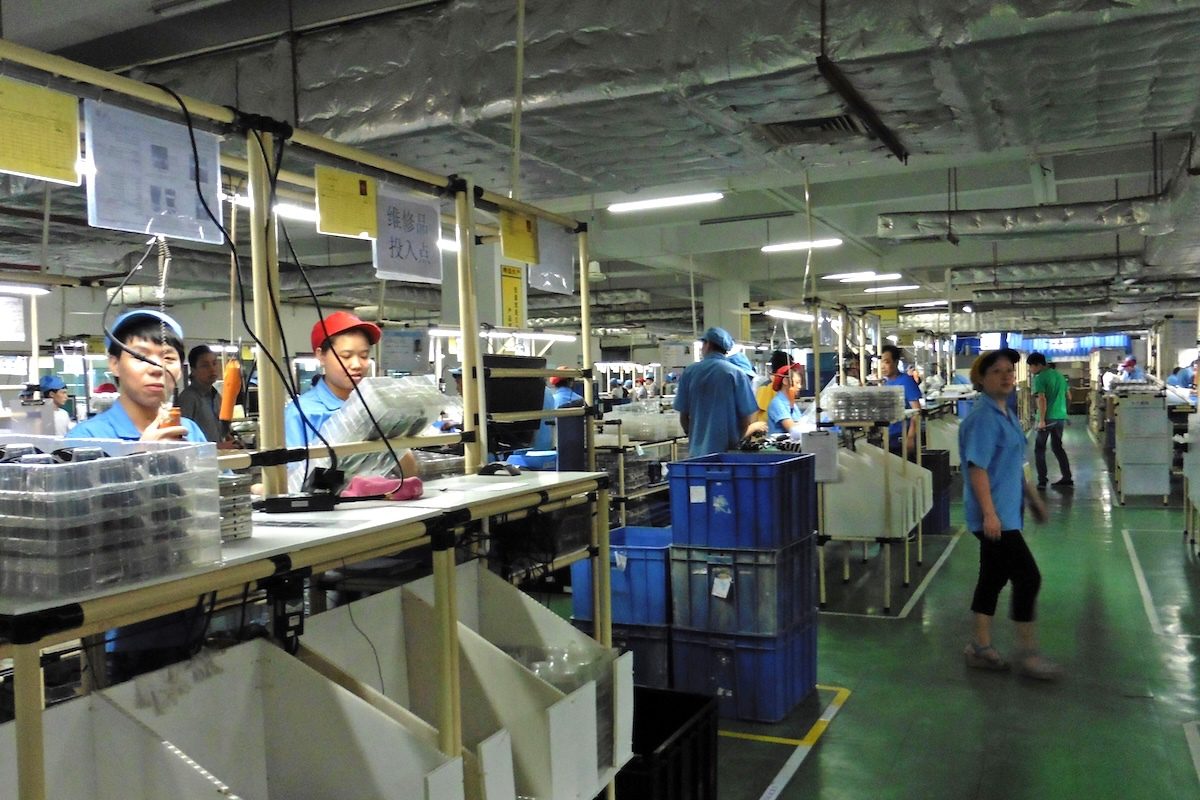
For decades, the image of China was inextricably bound by the acrid haze of coal smoke, a visual metaphor for a global economy powered almost entirely by burning carbon. Yet, beneath this thick layer of historical precedent, a profound and quiet transformation is underway. The narrative has shifted from one of inevitable fossil fuel dependency to a strategic, albeit complex, pivot toward renewable energy, driven not merely by environmental altruism but by a ruthless recalculation of economic and national security interests.
The data supports this seismic shift. Recent analyses reveal that China is rapidly expanding its installed capacity for wind and solar power at a pace that dwarfs any previous era of industrial development. This isn't just about adding new lines to the grid; it is a fundamental restructuring of how electricity is generated and distributed. The country is effectively building a new industrial ecosystem where the sun and wind are the primary inputs, replacing the volatile and polluting supply chain of lignite and bituminous coal that once defined its manufacturing might.
What makes this transition uniquely significant is the sheer scale and the driver behind it. Unlike many Western nations that have transitioned under pressure from international treaties or public outcry, China's move is a calculated domestic strategy. With coal reserves dwindling and the costs of renewable technologies plummeting, the logic of state-owned enterprises and local governments has flipped. It is now cheaper, more reliable, and politically safer to generate power from the sky than to dig it out of the ground and burn it. The state has leveraged its massive manufacturing base to dominate the global supply chain of solar panels, batteries, and electric motors, turning climate policy into a tool for global economic supremacy.
However, the path to a green future is far from linear. While the capacity for renewables soars, the inertia of the existing coal infrastructure remains a formidable hurdle. Retiring gigawatts of aging thermal plants is a logistical nightmare that threatens the stability of the grid, especially as demand for electricity surges to power data centers and electric vehicle production. The challenge lies in balancing the rapid ramp-up of variable renewable sources with the need for firm, dispatchable power, a puzzle that China is solving through aggressive investment in pumped hydro storage and, in some cases, natural gas as a transitional bridge.
Beyond the technical grid, the societal implications are staggering. As factories run on cleaner air, the public health crisis associated with particulate matter is beginning to recede, offering a tangible return on investment that goes beyond carbon metrics. The transition is reshaping the labor force, displacing coal miners while creating millions of new jobs in installation, maintenance, and advanced manufacturing. This demographic shift is crucial for a nation with a shrinking workforce, turning the environmental imperative into a demographic lifeline.
Ultimately, China's weaning off fossil fuels is not just an environmental story; it is a story of power. By decoupling industrial growth from carbon emissions, Beijing has secured its economic sovereignty against the rising tide of climate change and resource scarcity. As the world watches, the Chinese experience suggests that the transition away from fossil fuels is not only possible at a planetary scale but can be engineered with the precision and speed of a superpower. The haze is lifting, and what rises in its place is a new, cleaner, and fiercely competitive era of industry.