Government updates belong in an open feed
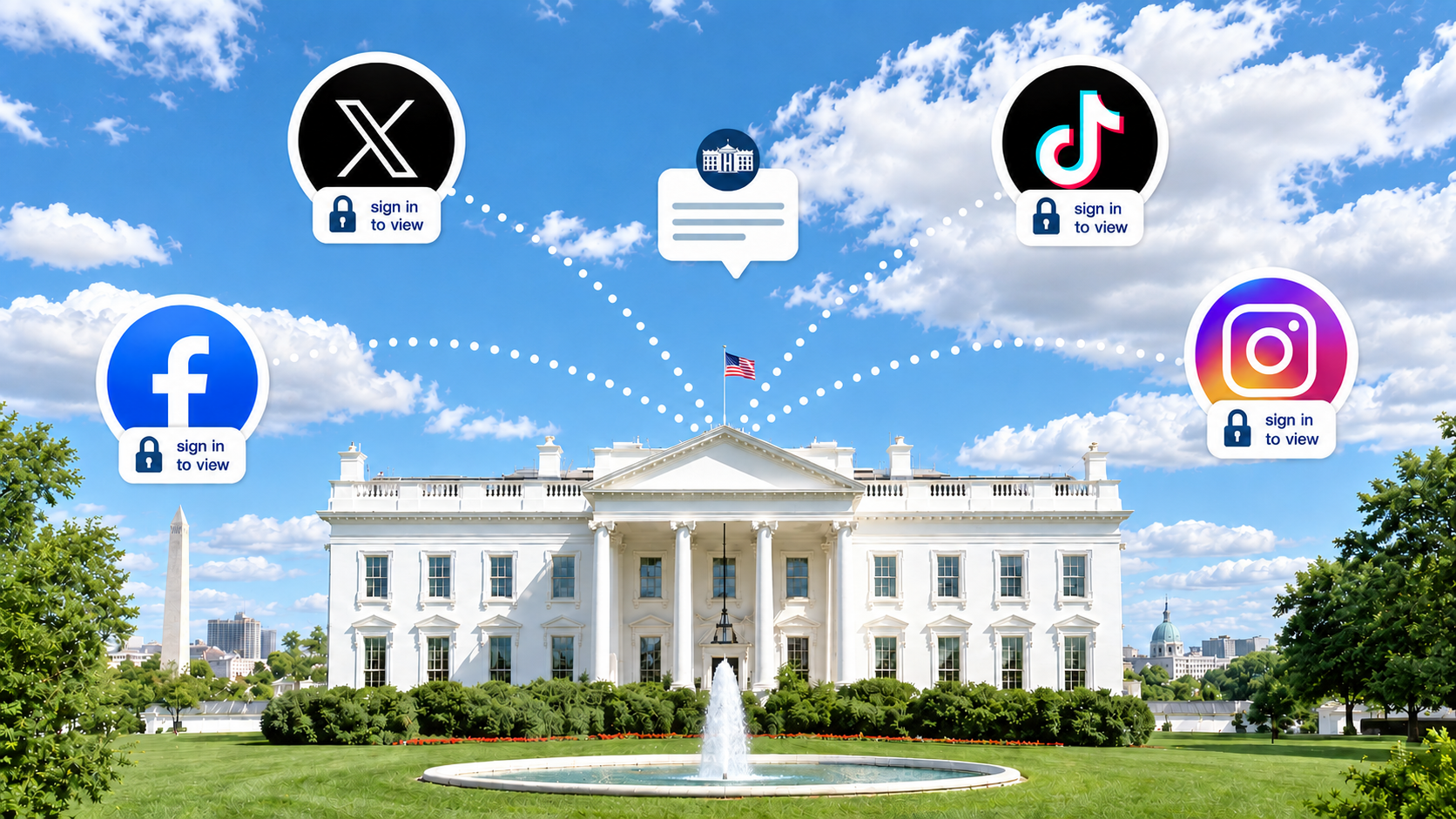
Imagine a world where the most critical information about your safety, your taxes, and your rights arrives not via a proprietary app you must download, but through a universal, open channel that everyone owns. For decades, this was the reality. Government agencies published notices on their own websites or distributed them via standardized mailing lists, ensuring that the mechanism of delivery was neutral and accessible to all. Today, that landscape has shifted dramatically, yet we have moved in the opposite direction of transparency.
Now, the primary communication channel for most officials is a scattered collection of accounts on private platforms. Senators discuss policy updates on Facebook, city representatives livestream town halls on TikTok, and county offices broadcast emergency alerts on X. The mayor's office runs short videos on Instagram, while the state legislature hides behind LinkedIn articles. This fragmentation is not merely an inconvenience; it is a fundamental restructuring of how public authority is exercised and accessed.
Something feels seriously off about this arrangement. By choosing to communicate with the public through private platforms owned by different companies, officials are handing over their civic duties to entities that prioritize engagement metrics over public service. Each platform operates with its own login system, creating a barrier to entry for those who do not use that specific service. Furthermore, each employs a unique algorithm designed to suppress certain content and amplify others, effectively filtering the public's view of their own government based on commercial interests rather than democratic necessity.
The implications of relying on these walled gardens are profound. When a government agency posts an update, the reach of that message is no longer determined by the urgency of the information, but by the platform's engagement algorithms. A crucial safety warning might be buried under cat videos if it fails to generate the initial viral spark required by the algorithm. Conversely, misinformation or polarizing content can be amplified disproportionately, distorting the public record. This creates a scenario where the quality of governance is dependent on the whims of Silicon Valley executives who have no accountability to the citizens they are supposedly serving.
We are seeing a migration of public square into private lobbies. The digital town square, once a place where diverse voices could mix without gatekeepers, is being partitioned into proprietary silos. This undermines the very concept of a shared reality, as different segments of the population receive government updates through entirely different lenses. If a disaster strikes, those on Instagram see a Reel, while those on X see a tweet, and those not on social media at all might miss the announcement entirely unless they happen to check a specific government website they may not know exists.
The solution lies in a return to an open feed system, akin to the RSS standards that once dominated the web. An open feed would allow any application to subscribe to government data streams without needing an account on a specific social network. It would ensure that the message is delivered intact, unaltered by algorithms, and accessible to everyone regardless of their preferred digital ecosystem. Until governments reclaim this basic infrastructure, they risk building their relationship with the public on sand, subject to the tides of private corporate policy.