Super-Cool DIY Digital Instant Camera ‘Prints’ Photos On Reusable Cartridges
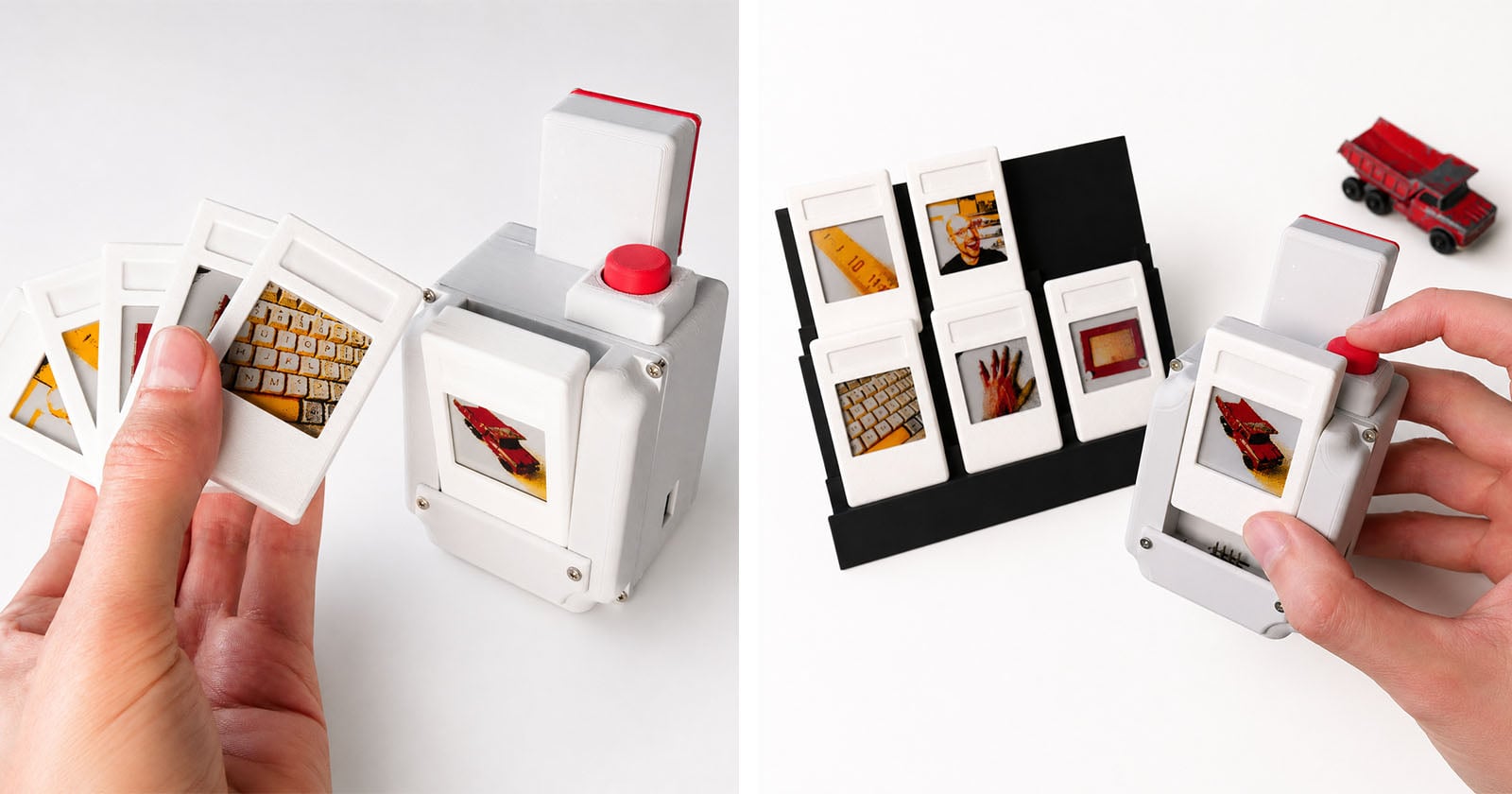
Imagine standing in a museum of the future, where the only thing on display is a small, unassuming box that defies the logic of modern photography. This is the realm of Strange Inventions Lab, where the obsession with analog nostalgia meets the crisp, high-resolution world of digital displays. The result is a device that looks like a classic instant camera but operates with the silent, electrostatic magic of e-paper technology, creating a physical object that feels less like a photograph and more like a piece of art you can hold in your hand.
The core innovation here lies in the replacement of chemical film with full-color e-paper cartridges. For decades, instant cameras like the Polaroid have relied on a complex chemical reaction to develop an image, a process that is messy, expensive, and environmentally taxing. This new approach strips away the chemical entirely. Instead of waiting for silver halides to react in the dark, the camera utilizes an array of micro-lights to illuminate a reconfigurable display. The image is literally written onto the cartridge, which then slides into the camera body. When the shutter is pressed, the light from the camera's flash triggers the e-paper pixels to lock the image into a permanent, static state on the physical medium.
This distinction is not merely a gimmick; it represents a fundamental shift in how we think about the lifecycle of a photograph. Traditional digital photos exist only on screens, vulnerable to broken devices and corrupted files. Instant film sits in a drawer, fading over decades. This hybrid approach offers the best of both worlds: the permanence of a physical print without the environmental cost of developing chemicals, and the editability of digital data before the print is made. You can review the image on your computer, tweak the lighting, or even apply a filter, and then press a button to see that digital perfection transferred onto a tangible card that won't fade or pixelate.
The mechanics of the device are a marvel of engineering, turning the mundane act of taking a photo into a tactile ritual. As the cartridge is loaded, the user can see the blank, textured surface of the e-paper, a stark contrast to the smooth plastic of a standard SD card. Once the image is captured, the cartridge slides out, revealing the printed photo. The texture of the e-paper gives the image a unique depth, a sort of matte finish that absorbs light rather than reflecting it, making the colors appear richer and the blacks deeper than on a glossy screen. It is a satisfying click and slide motion that reconnects the photographer with the physical reality of their subject.
What makes this truly compelling is the sustainability angle. In an era where e-waste is a growing crisis, the idea of a reusable cartridge that can hold thousands of images without generating plastic waste or toxic sludge is incredibly appealing. The e-paper technology itself is energy-efficient, requiring minimal power to maintain an image once it is set, which means the battery life of the camera is significantly extended compared to traditional digital shooters that constantly refresh their screens. It is a design philosophy that prioritizes longevity and utility over the disposable culture that dominates the tech industry.
As we look toward the horizon of photography, this invention serves as a powerful reminder that the medium we choose to capture our memories matters just as much as the moment itself. It bridges the gap between the fleeting nature of digital data and the enduring quality of analog prints, offering a sustainable, beautiful alternative for those who crave a physical connection to their photographs. In a world obsessed with the cloud, Strange Inventions Lab has built a bridge back to the earth, one reusable cartridge at a time.