Uganda to withdraw from Invictus Games ‘out of respect for King Charles’, says military chief
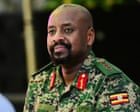
The decision to pull out of the Invictus Games, a global celebration of wounded service members, transforms from a sports withdrawal into a stark geopolitical statement. General Muhoozi Kainerugaba, the son of Uganda's president and the head of the military, made the announcement not through a diplomatic channel or a press briefing, but via a post on X. This choice of platform itself signals a modernity and directness that bypasses traditional media filters, instantly framing the decision as a matter of personal and institutional conviction rather than bureaucratic protocol.
The core of the withdrawal rests on a complex interplay of royal protocol and public sentiment. General Kainerugaba explicitly cited the need to show respect for King Charles, suggesting that the organization of the games by the Duke of Sussex has created an environment that contradicts the solemnity expected of the British monarchy. For many in the East African region, particularly within the military establishment, the King represents a symbol of stability and continuity, whereas the recent controversies surrounding the royal family have been viewed as disruptive noise. To participate in an event led by the Duke is seen by the Ugandan command as a tacit endorsement of what they perceive as damaging "nonsense."
This situation highlights a growing friction between global soft-power initiatives and rigid national sovereignty. The Invictus Games were born from a desire to unite disabled veterans worldwide, often transcending political borders to focus solely on human resilience. However, in the contemporary landscape of international relations, no entity is truly neutral. The decision by Uganda to boycott is not merely about the logistics of travel or the timing of the competition; it is a deliberate act of signaling alignment with the Crown against the specific narrative pushed by the senior royal family. It serves as a reminder that even the most humanitarian efforts remain subject to the volatile currents of diplomatic opinion.
The use of social media for such a high-stakes declaration also changes the nature of the discourse. By posting on X, the General placed the issue directly into the public square, inviting immediate global reaction without the buffer of editors or diplomatic courtesies. This approach underscores the speed at which modern conflicts of interest can escalate. What might have taken weeks of behind-closed-door negotiations to resolve in the past was distilled into a digital announcement, forcing the international community to confront the rationale immediately. It suggests that future diplomatic maneuvers in the Global South may increasingly utilize these direct channels to bypass traditional hierarchies.
Ultimately, the withdrawal of Uganda from the Invictus Games is a microcosm of the larger struggle over who controls the narrative of the British monarchy. The military's stance indicates that for many leaders, the integrity of the institution takes precedence over the goodwill gestures offered by its current family members. As the world watches, the silence of the other participating nations stands in contrast to the loud declaration from Kampala, leaving the future of the games' prestige in question. The event will proceed, undoubtedly, but the shadow of this diplomatic rift looms large, proving that in the twenty-first century, respect for a monarch can still be the most powerful determinant of global participation.