10 Great Vintage Lenses for Portrait Photography
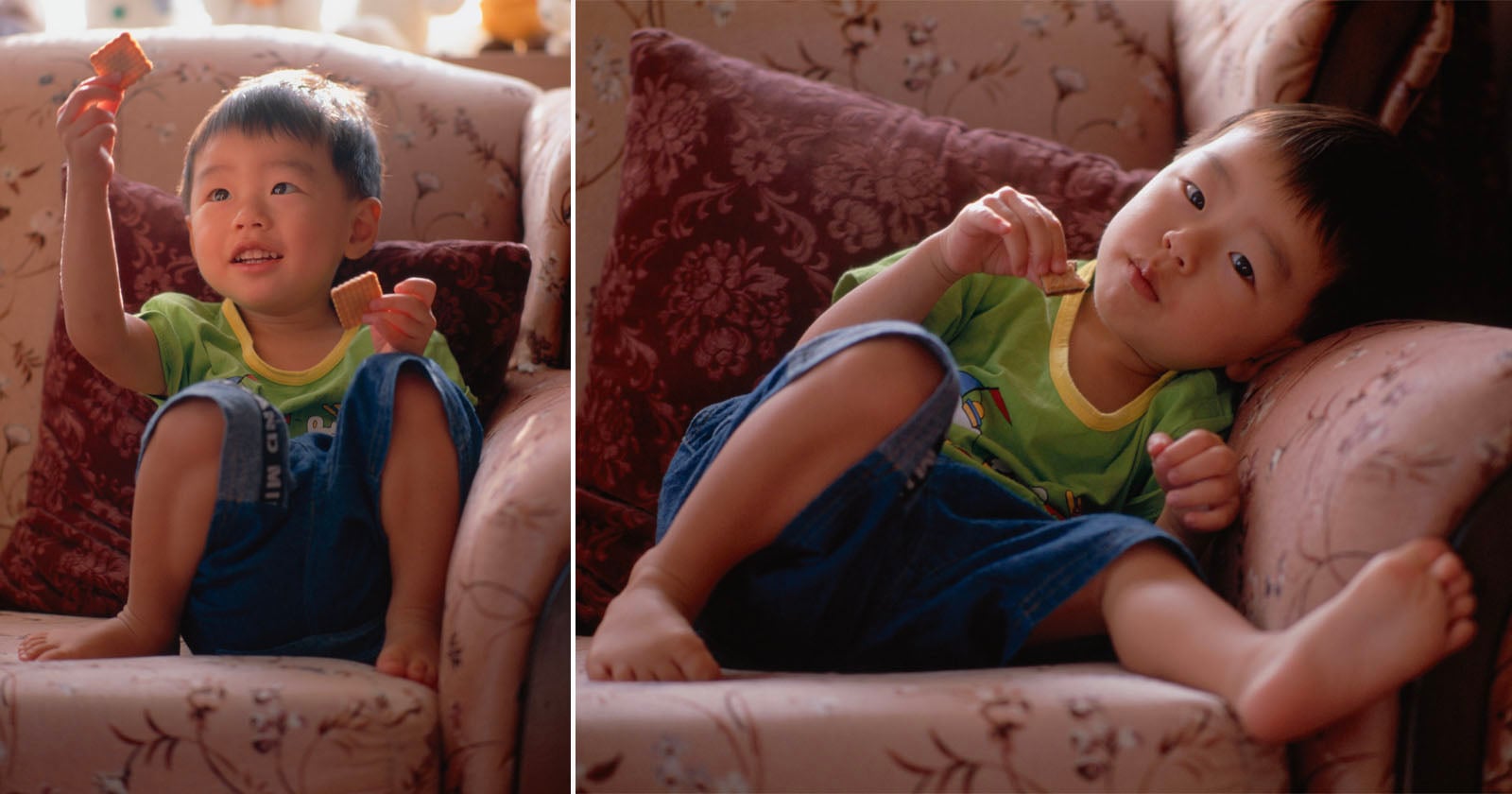
There is a pervasive myth in our photography community that vintage glass is valuable solely because of its optical imperfections. We are told we seek them out for their swirls, their flare, and their low contrast, as if the charm of analog grit is the only metric by which these relics should be judged. While there is absolutely nothing wrong with embracing a lens that renders a scene in a painterly, dreamlike state, this narrow definition often blinds us to the true hidden gems waiting in the used market. The most compelling vintage portraits are frequently captured not by the flawed, but by the meticulously crafted instruments of a bygone era that were simply ahead of their time.
Consider the era of the 1950s and early 60s, when lens manufacturers were pushing the boundaries of what was mechanically possible long before digital sensors demanded such precision. In those decades, a "good" lens was often sharper than what we consider standard today, featuring coatings and glass formulas that have only recently been surpassed by modern automation. When you look at a portrait taken with a vintage LTM or M42 lens from this period, you aren't just seeing a slightly softer image; you are seeing a rendering of light and texture that feels organic and three-dimensional in a way that many modern, overly corrected lenses struggle to replicate.
The real value lies in understanding that optical flaws are features, not always bugs, but they are not the only features that matter. A lens with exceptional sharpness in the center, a smooth transition to the edges, and a natural rendering of skin tones can be infinitely more useful for commercial or artistic portraiture than one that relies on spherical aberration to create a specific look. These lenses were built to be workhorses, designed to capture the human face with dignity and clarity, and they often possess a micro-contrast that brings out the texture of skin and fabric in a way that feels alive rather than processed.
Furthermore, the mechanical experience of using these lenses adds a layer of intimacy to the portrait session that digital interfaces cannot match. There is a deliberate rhythm to stopping down an aperture ring, hearing the click of the aperture blades, and feeling the weight of the focus ring as you hunt for that perfect plane of focus. This tactile engagement forces the photographer to slow down, to consider the composition more deeply, and to understand the light in a way that fosters a connection with the subject. It turns the act of taking a picture into a conversation rather than a transaction.
Ultimately, the best vintage lens for portrait photography is the one that makes you a better photographer, regardless of whether its optical signature is "perfect" by modern computational standards. Whether it is a Zeiss, a Canon FD, or a Nikkor from the pre-coating or early multi-coating era, the goal is to find glass that challenges you to see differently. By looking past the romanticized notion of the "flawed" lens, we uncover a vast library of superior optics that offer clarity, depth, and a timeless quality that digital replication has yet to fully capture.